



























The Rise of the "Self-Oriented Home": Unpacking Xiaohongshu (Rednote)'s 2026 Consumer Whitepaper
For the modern Chinese consumer, the home is no longer a showroom designed for hosting; it has evolved into a highly personalized psychological sanctuary and a “battery charger” for the soul. This profound cultural evolution—dubbed the “Self-Oriented Home” (适我主义)—is the core focus of the landmark 2026 Xiaohongshu (Rednote) Living Trends Report. As China’s leading hub for lifestyle inspiration, Xiaohongshu’s latest 193-page whitepaper is a crucial roadmap for global brands. To truly resonate with Chinese Millennials and Gen Z today, overseas executives must look beyond superficial aesthetics and understand the nuanced, functional needs driving this trend. Let’s decode the key takeaways.
Based on the official data and insights from the Xiaohongshu (Rednote) 2026 report, here is a deep dive into the five macro-trends reshaping Chinese homes—and how global brands can capitalize on them.
1.0 The "Lazy" Revolution – Extreme Physical Comfort & De-Houseworking
Chinese millennials and Gen Z are actively redesigning their living spaces to minimize chores and eliminate daily physical strain. The concept of “De-Houseworking” (去家务化) has transitioned from a hidden desire to a fundamental rule of interior design. Consumers are obsessively optimizing their “movement flows” (动线)—the paths they take to complete tasks—to achieve zero-step storage and smooth, effortless transitions from the moment they walk through the door.
Data Highlights from Xiaohongshu (Rednote):
- Movement Flow (动线): +374% in new notes published, +75% in search volume.
- De-Houseworking (去家务化): +131% in new notes published.
- Clutter-Tolerant Zones (容乱区): +200% in search volume.
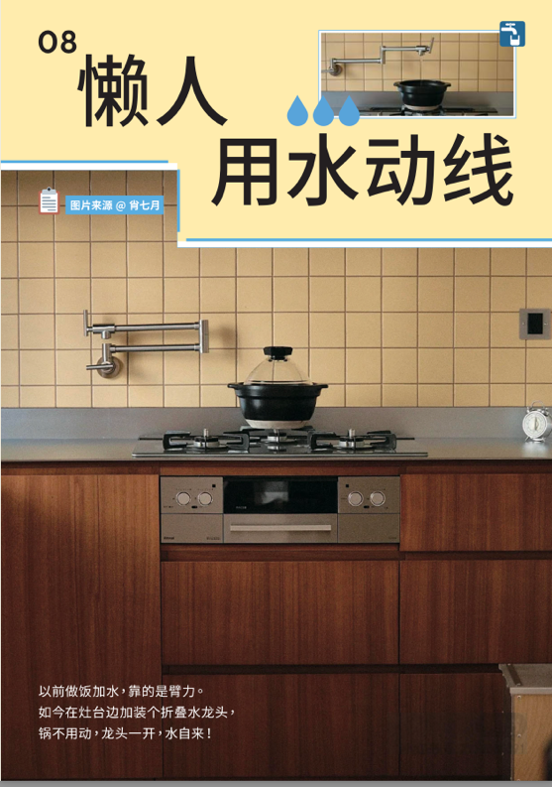
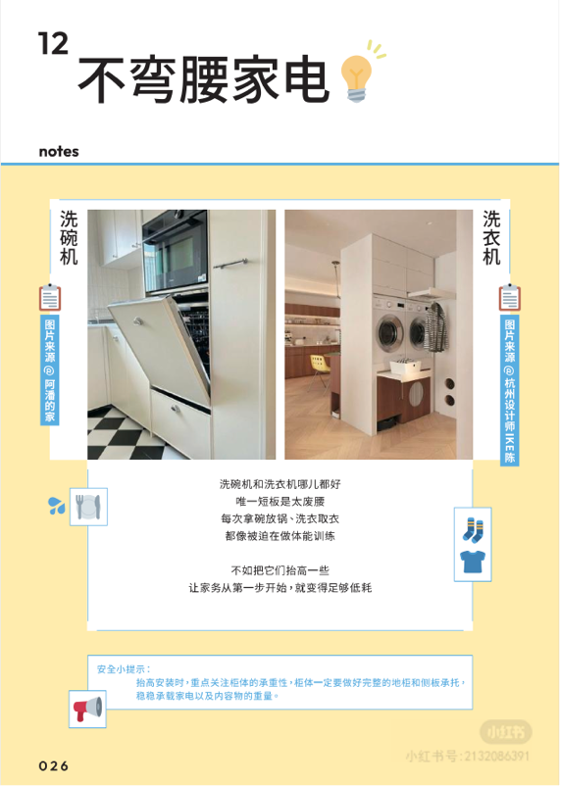
Real-Life Applications: Consumers are raising dishwashers and washing machines to avoid bending over. They are installing “zero-bending” trash cans on sliding tracks, utilizing double-sided cabinets that act as “teleportation doors” between the bathroom and laundry room, and installing folding faucets directly over the stove to avoid carrying heavy pots of water.
Strategic Insight for Global Brands: Functional furniture, smart home appliances, and ergonomic fixtures that emphasize “effortless living” will win big. Marketing narratives should pivot from “doing more” to “doing less.” Show the Chinese consumer how your product eliminates micro-frictions in their daily routine.
2.0 The Mental Sanctuary – Emotional Value & "Pain Rooms"
As the external world becomes more fast-paced, the home is being redefined as a psychological battery charger. The concept of the home as an “Energy Field” (能量场) is experiencing explosive growth. Furthermore, the traditional “Living Room” designed for hosting is dead; welcome to the “Low-Social Living Room” designed purely for the homeowner’s relaxation.
Data Highlights from Xiaohongshu (Rednote):
- Energy Field (能量场): +884% in new notes, +3263% in search volume.
- Living-Room-Free (无客厅): +263% in new notes.
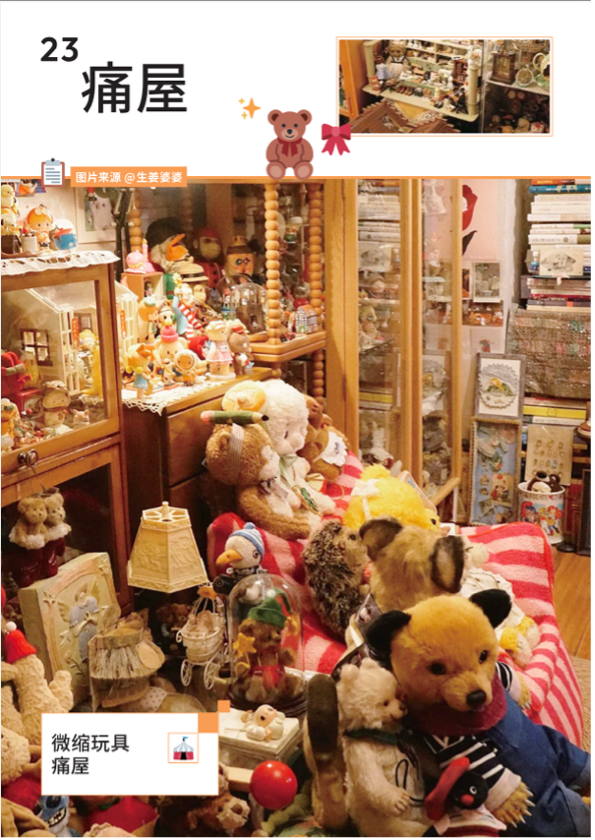
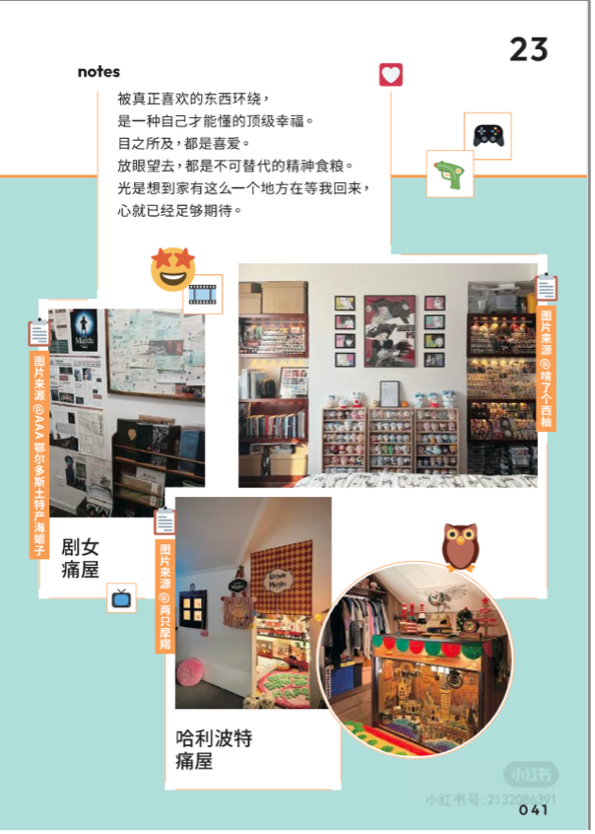
- Pain Room (痛屋): +250% in new notes.
What is a “Pain Room”? In Chinese internet slang, a “Pain Room” is a space utterly dedicated to a niche hobby or obsession—whether that’s anime merchandise, Harry Potter collectibles, or miniature toys. Consumers are also giving “Blind Boxes” (collectible mystery toys) new life by repurposing them into drawer handles, light switches, and clock faces.
Strategic Insight for Global Brands: If you sell home decor, lifestyle products, or organizational tools, lean into the emotional value. Products that help consumers display their hobbies, or cozy, low-to-the-ground seating (like floor cushions and daybeds) designed for “meditation corners” will resonate strongly.
3.0 Egalitarian Spaces – Designing for Pets, Kids, and the Elderly
The definition of “family” is expanding, and so is the standard of home design. The “Self-Oriented Home” does not mean a selfish home; it means designing a space that respects the individual habits and scales of every family member—including children and pets.
Data Highlights from Xiaohongshu (Rednote):
- Child-Friendly (儿童友好): +958% in new notes.
- Pet-Adapted (适宠化): +723% in new notes, +684% in search volume.
- Human-Pet Co-living (人宠共享): +274% in new notes.
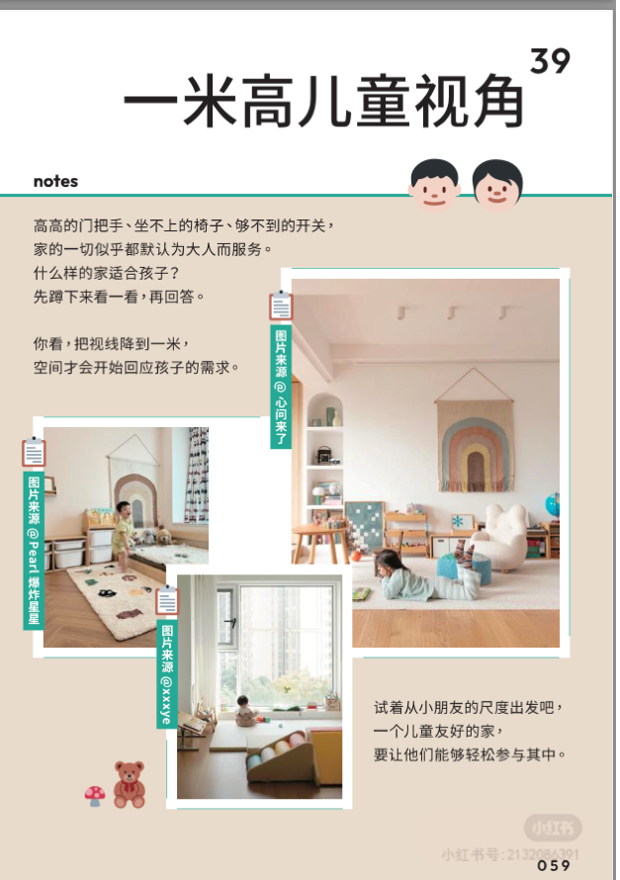
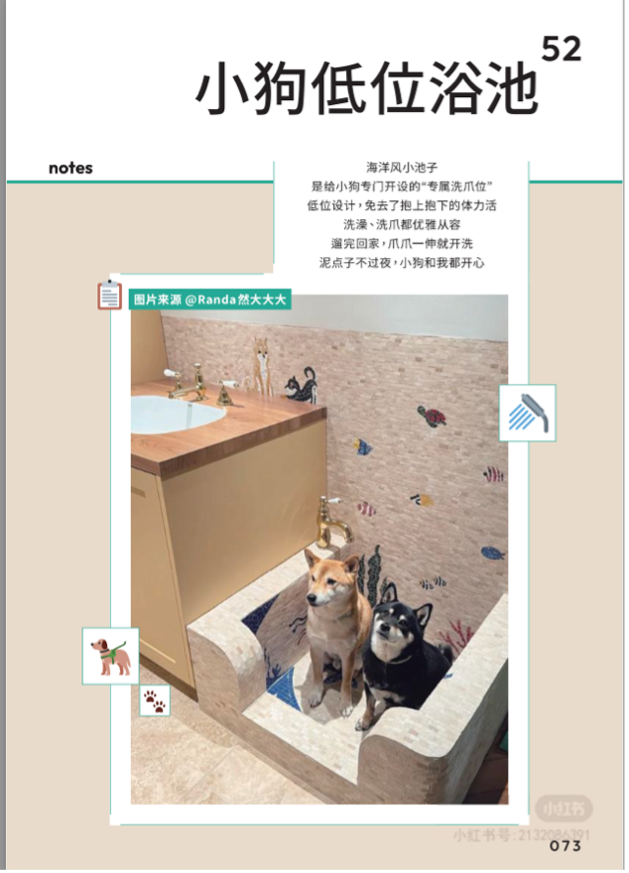
Real-Life Applications: Pet owners are no longer just buying pet beds; they are integrating “cat aerial walkways” into the ceiling architecture, installing low-level “dog baths” in the entryway for muddy paws, and building dedicated pet doors. For children, parents are moving away from generic kid’s rooms to creating “1-meter high perspectives”—designing sightlines, washbasins, and storage specifically at the child’s height to encourage independence.
Strategic Insight for Global Brands: The pet economy in China is shifting from “pet ownership” to “pet parenting.” Brands that offer integrated pet-human furniture or modular, child-safe interior solutions should actively target this demographic.
4.0 Bold Aesthetics – Mid-Century Colors and Tactile Textures
Minimalism is making room for personality. Chinese consumers are increasingly confident in their aesthetic choices, moving away from cookie-cutter luxury to artistic, vibrant, and nostalgic vibes.
Data Highlights from Xiaohongshu (Rednote):
- Mid-Century Colors (中古彩): +624% in new notes, +1900% in exposure.
- Alvar Aalto Style (阿尔托风): +131% in new notes.
- Y2K / Millennium Revival (千禧风回潮): Resurgence of retro elements like beaded curtains and terrazzo floors.
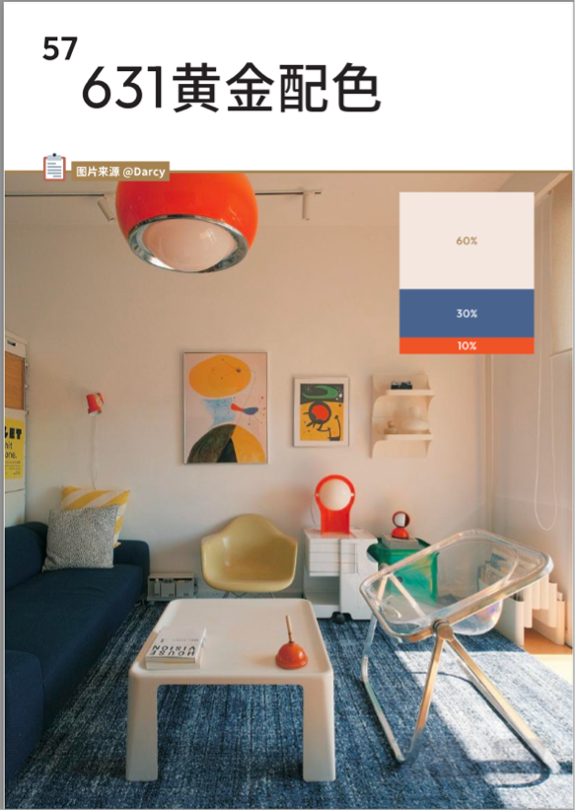
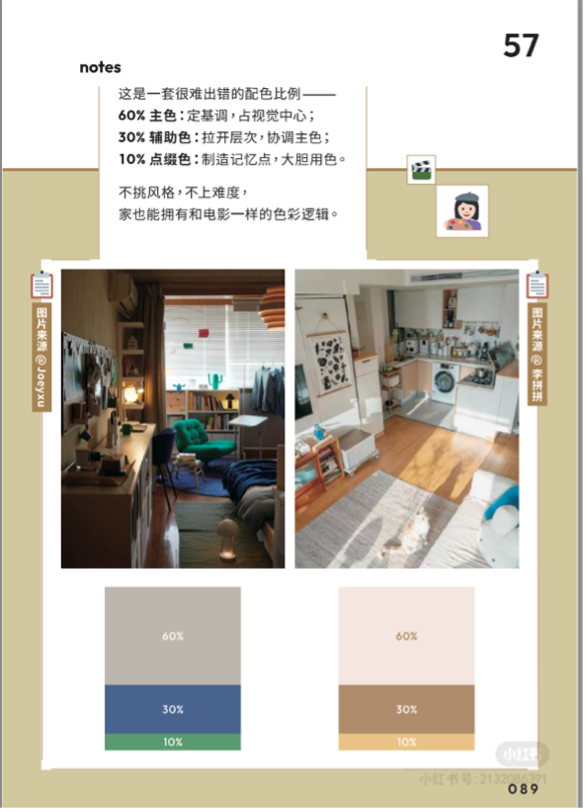
Consumers are utilizing the “631 Golden Color Ratio” (60% base, 30% secondary, 10% bold accent) to confidently mix colors without failing. There is also a massive trend of adding unexpected “accidental red” items (like a single bright red chair or lamp) to break the monotony of a room.
Strategic Insight for Global Brands: For international furniture and decor brands, this is the time to push heritage designs, mid-century modern lines, and products with bold, warm, retro color palettes. Emphasize natural materials and fluid, curved designs (hallmarks of the trending Alvar Aalto style).
5.0 The "Growing" Home – Flexibility Over Fixed Customization
The era of doing a massive, permanent “whole-house customization” at the time of purchase is slowing down. Today’s consumer favors a “growing home”—spaces that can be easily modified as life stages change.
Data Highlights from Xiaohongshu (Rednote):
- Rack Wardrobes (货架衣柜): +1584% in new notes.
- Long-Termism (长期主义): +868% in new notes.
- Whole-House Customization (全屋定制): Slowing down, showing only +35% note growth.
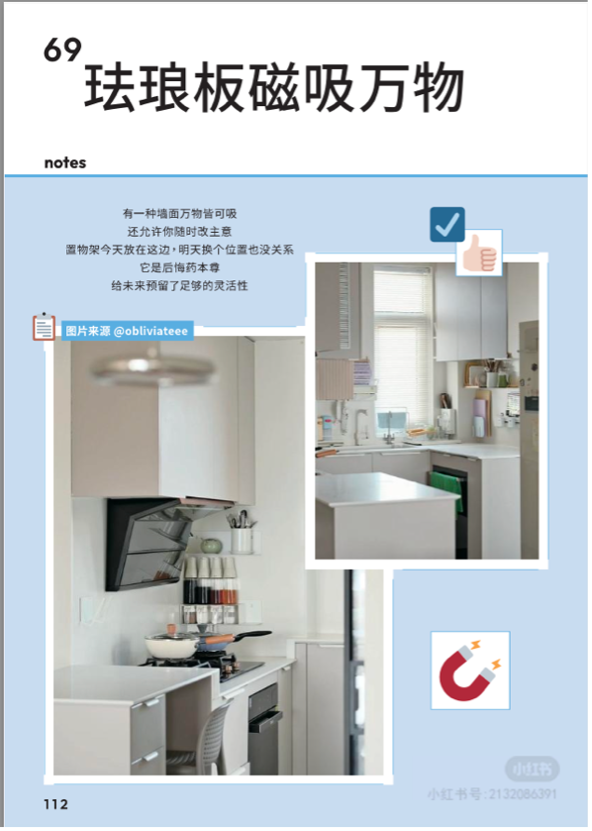
- Pegboards / Enamel Panels (珐琅板): +266% in new notes.
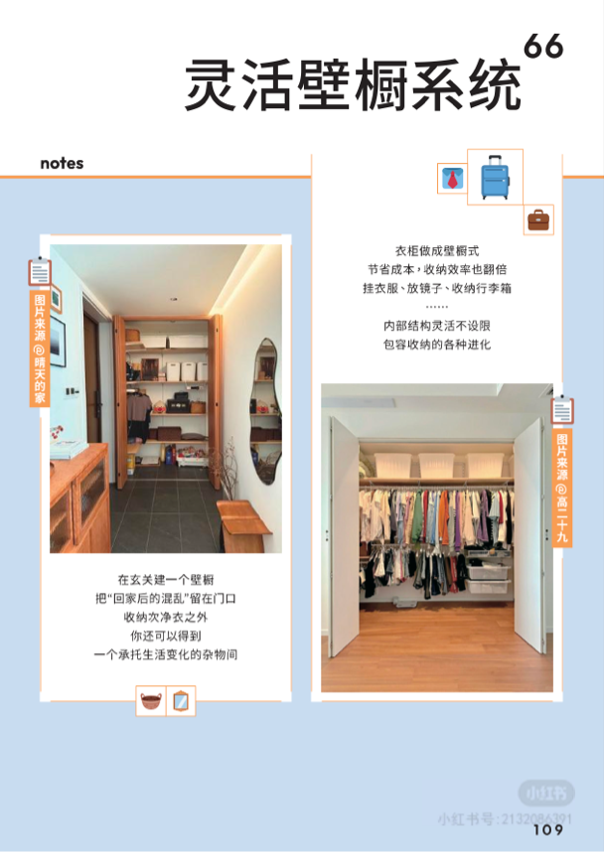
Instead of heavy, built-in wooden closets, young consumers are opting for “rack wardrobes”—industrial-style metal racks hidden behind curtains that offer infinitely adjustable, flexible storage at a fraction of the cost. They prefer “Lego-style” modular furniture that can be reconfigured and magnetic enamel walls that allow for tool-free, ever-changing vertical storage.
Strategic Insight for Global Brands: Highlight the adaptability, modularity, and sustainability of your products. Do-It-Yourself (DIY) friendly products, easily removable fixtures, and scalable storage solutions are exactly what the 2026 Chinese consumer is searching for.
6.0 How We Can Help You Win in China Market?
Understanding these nuanced, localized trends is just step one. To successfully capture the attention of the modern Chinese consumer, global brands need a partner who speaks the local digital language fluently.
OctoPlus Media is a premier China Marketing Agency specializing in bridging the gap between international brands and Chinese consumers. Drawing on deep market insights like those found on Xiaohongshu (Rednote), we provide end-to-end services tailored for your success:
- Xiaohongshu (Rednote) Strategy & Seeding: We help you establish a powerful presence on China’s top lifestyle platform, leveraging trending keywords (like “De-houseworking” or “Mid-century colors”) to ensure your products surface to high-intent buyers.
- KOL & Influencer Marketing: We connect you with the right creators who can authentically integrate your products into the “Self-Oriented Home” narrative.
- Localized Content Creation: We translate your global brand identity into culturally resonant storytelling that aligns with the latest Chinese consumer pain points and desires.
- E-commerce & Social Commerce Integration: We turn inspiration into action, seamlessly guiding users from Xiaohongshu (Rednote) discovery to successful conversion.
The Chinese market moves fast, but you don’t have to navigate it alone. Contact us today to discuss how we can position your brand at the forefront of China’s 2026 living trends.
Feel free to talk to us
It’s a team with one single shared goal, which is our client’s success. Deliver results for your business now.